Introduction
A detached garage can be a stylish and functional addition to your property, but many homeowners wonder how it differs from an attached garage and whether it’s the right choice for them. This article explores the definition, uses, advantages, and potential drawbacks of detached garages, helping you make an informed decision for your home.
What Does “Detached Garage” Mean?
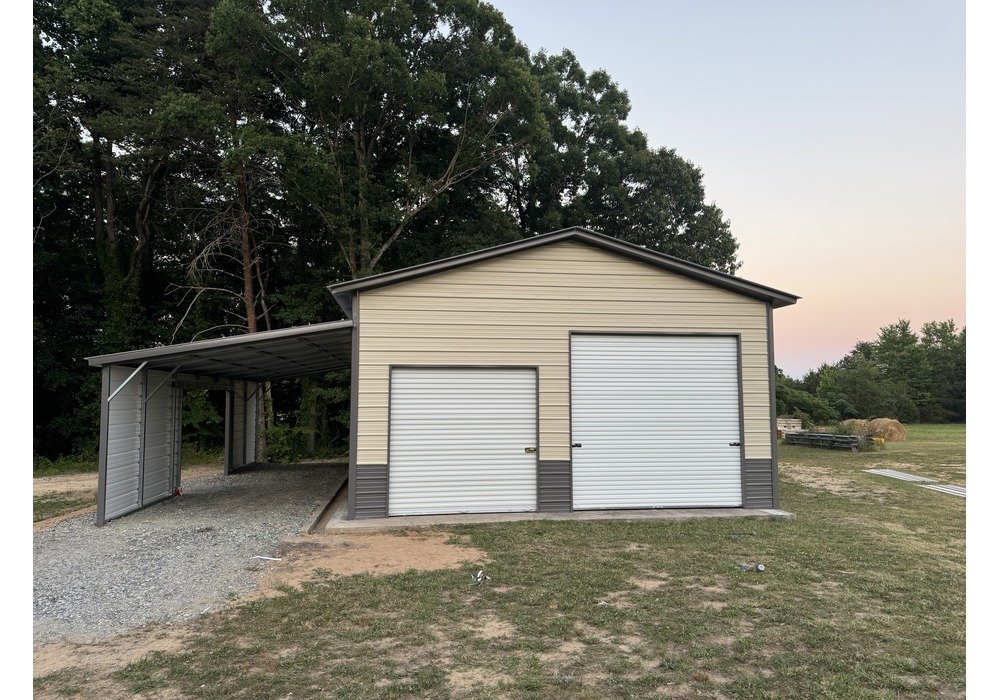
A detached garage is a standalone structure separate from the main house, typically used to store vehicles, tools, or equipment. Unlike attached garages, it isn’t physically connected to your home, giving it unique design and placement flexibility.
What Is an Unattached or Detached Garage?
The terms “unattached” and “detached garage” are often used interchangeably to describe a garage that is:
- Independent of the Main Structure: Not connected to the house by walls or a roof.
- Freestanding: Positioned at a distance, often accessed via a walkway or driveway.
What Is the Disadvantage of a Detached Garage?
While detached garages offer many benefits, they also come with a few drawbacks:
- Weather Exposure: Walking to and from the garage can be inconvenient during rain or snow.
- Higher Costs: Building a detached structure may cost more due to the need for separate utilities and foundations.
- Security Concerns: Being separate from the house can make it a target for theft if not properly secured.
What’s Better, an Attached or Detached Garage?
The choice between an attached and detached garage depends on your needs:
Attached Garage:
- Convenience: Direct access to the house, especially in bad weather.
- Cost: Often cheaper to build, as it shares walls and utilities with the house.
Detached Garage:
- Flexibility: Can be placed anywhere on the property.
- Privacy: Ideal for workshops or home offices, keeping noise away from the main house.
- Aesthetics: Offers more design freedom for a cohesive or contrasting look.
What Is a House With a Detached Garage?
A house with a detached garage features a freestanding garage structure. These garages are commonly found in older homes, historic neighborhoods, or properties with larger plots of land.
How Big Is a Detached Garage?
The size of a detached garage varies based on its intended use:
- Single-Car Garage: Typically 12 x 20 feet.
- Two-Car Garage: Around 20 x 20 or 24 x 24 feet.
- Custom Sizes: Larger garages for workshops, storage, or recreational vehicles can be designed to fit specific needs.
What Can I Use a Detached Garage For?
Detached garages offer versatility beyond vehicle storage. Popular uses include:
- Home Workshop: A space for woodworking, crafting, or repairs.
- Home Gym: Perfect for fitness enthusiasts.
- Studio or Office: Provides a quiet space for work or creative pursuits.
- Storage: Ideal for seasonal items, tools, or outdoor equipment.
What Is the Definition of a Detached Building?
A detached building refers to any standalone structure that is not physically connected to another building. Examples include detached garages, sheds, and guesthouses.
Why Is It Called a Detached House?
A detached house is a standalone residential structure, not connected to any neighboring buildings. It is often prized for privacy and space, similar to how a detached garage offers separation and versatility.
What Are the Benefits of a Detached Garage?
Detached garages offer several key advantages:
- Design Flexibility: Can be tailored to suit your property layout and aesthetic preferences.
- Noise Reduction: Keeps noisy activities like workshops or hobbies separate from the main living area.
- Increased Property Value: Adds functionality and curb appeal to your home.
- Ventilation: Offers easier airflow compared to attached garages.
Should a Detached Garage Have Windows?
Windows in a detached garage can enhance its functionality by:
- Providing Natural Light: Reduces the need for artificial lighting during the day.
- Improving Ventilation: Helps prevent moisture buildup and reduces odors.
- Adding Aesthetic Appeal: Complements the overall design of the garage.
However, windows may increase security risks, so consider secure locks or frosted glass.
Does a Detached Garage Need Ventilation?
Yes, proper ventilation is essential for a detached garage to:
- Prevent Moisture Damage: Reduces condensation, protecting tools and vehicles.
- Improve Air Quality: Removes fumes from vehicles or chemicals stored inside.
- Control Temperature: Helps regulate indoor temperatures, especially in extreme weather.
Options for ventilation include roof vents, wall vents, or even an HVAC system for climate control.
Conclusion
Detached garages offer a unique blend of functionality, design freedom, and versatility. Whether you need extra storage, a workshop, or a creative space, a detached garage can be a valuable addition to your property. By understanding their benefits and challenges, you can determine if this standalone structure is right for your home.
Considering a detached garage for your property? Designer Metals specializes in customizable, durable, and aesthetically pleasing structures. Contact us today to design your perfect detached garage, complete with free delivery and installation!
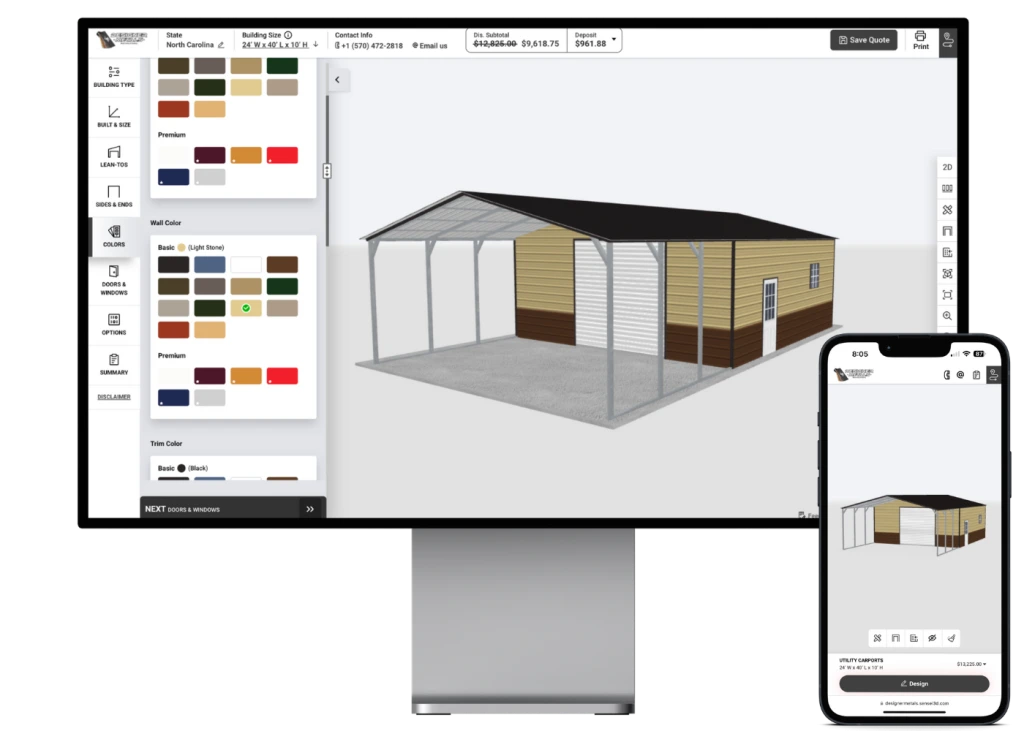
Or get a quote on a custom design created by you!
Explore Designer Metals’ range of customizable options and let us help you create the ideal solution for your property. Contact us today by dropping an email at sales@designmetals.com
Or call us at 336-792-9801. You can also visit our alternate website – https://permaguardpro.com/
You can also check our previous blog here which compares metal garage and carport.